
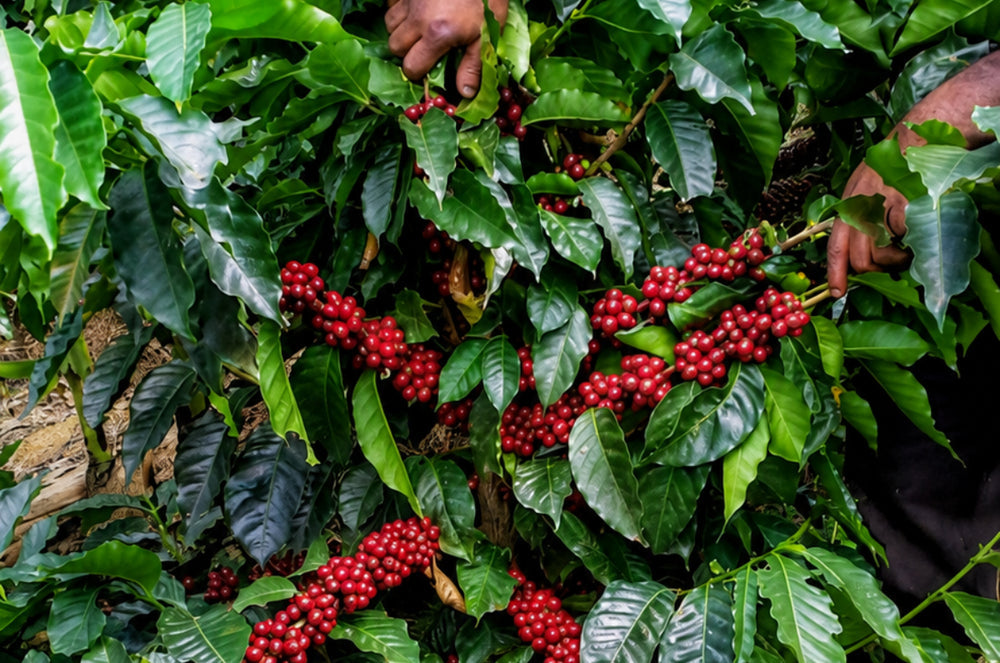
A country built on coffee
Coffee arrived in Costa Rica in the late 1700s and was first planted in the Central Valley around San José. Costa Rica was the first country in Central America to build a real coffee industry, and by the 1820s coffee was its main export. Coffee money paid for the country's first railway to the Atlantic coast and for the beautiful National Theatre in San José, so you could say coffee helped build modern Costa Rica.
The country produces less than 1% of the world's coffee, but it is known for quality. Since 1989 it has been illegal to plant Robusta here: Costa Rica grows only Arabica. The national coffee institute, ICAFE, founded in the 1930s, supports research and keeps track of where every coffee comes from.
There are eight coffee regions, each with its own climate: Tarrazú, Tres Ríos, West Valley, Central Valley, Orosi, Turrialba, Brunca and Guanacaste. Many sit on the slopes of volcanoes, whose ash makes the soil rich and dark.
In the last twenty years, many families started building their own small processing mills ("micromills") instead of selling cherries to big mills. This gave them more control over quality and more income, and it made Costa Rica one of the most creative coffee countries in the world.
Our Costa Rica Bella Vista comes from Tres Ríos, a small, historic region on the slopes of the Irazú volcano just east of San José.

How Costa Rican coffee is processed
Coffee in Costa Rica is picked by hand, often over several passes, so only ripe cherries are taken. A fun local detail: farmers are paid by volume, measured in a wooden box called a cajuela, rather than by weight.
Washed: the fruit is removed, the beans are fermented and washed, then dried in the sun. This is the classic Costa Rican style: clean, bright and balanced. Our Bella Vista is washed.
Honey: Costa Rica made this method famous. The skin is removed but some of the sticky fruit (called "honey") is left on the bean while it dries. Depending on how much is left, you will see yellow, red or black honey. These coffees are sweeter and rounder.
Natural: the whole cherry is dried, giving fruitier, heavier cups.

What Costa Rican coffee tastes like
Costa Rican coffee is a great "everyday special" coffee: clean, sweet and easy to love. Expect citrus brightness, brown sugar or honey sweetness, cocoa and a smooth medium body. Coffees from high regions like Tarrazú are brighter; Tres Ríos is known for elegance and balance.
Our Costa Rica Bella Vista has citrus fruit, cocoa, vanilla, blackcurrant and a touch of spice. It works beautifully as espresso, with milk, or as a filter coffee.

Explore recommended coffee
View all-
Save
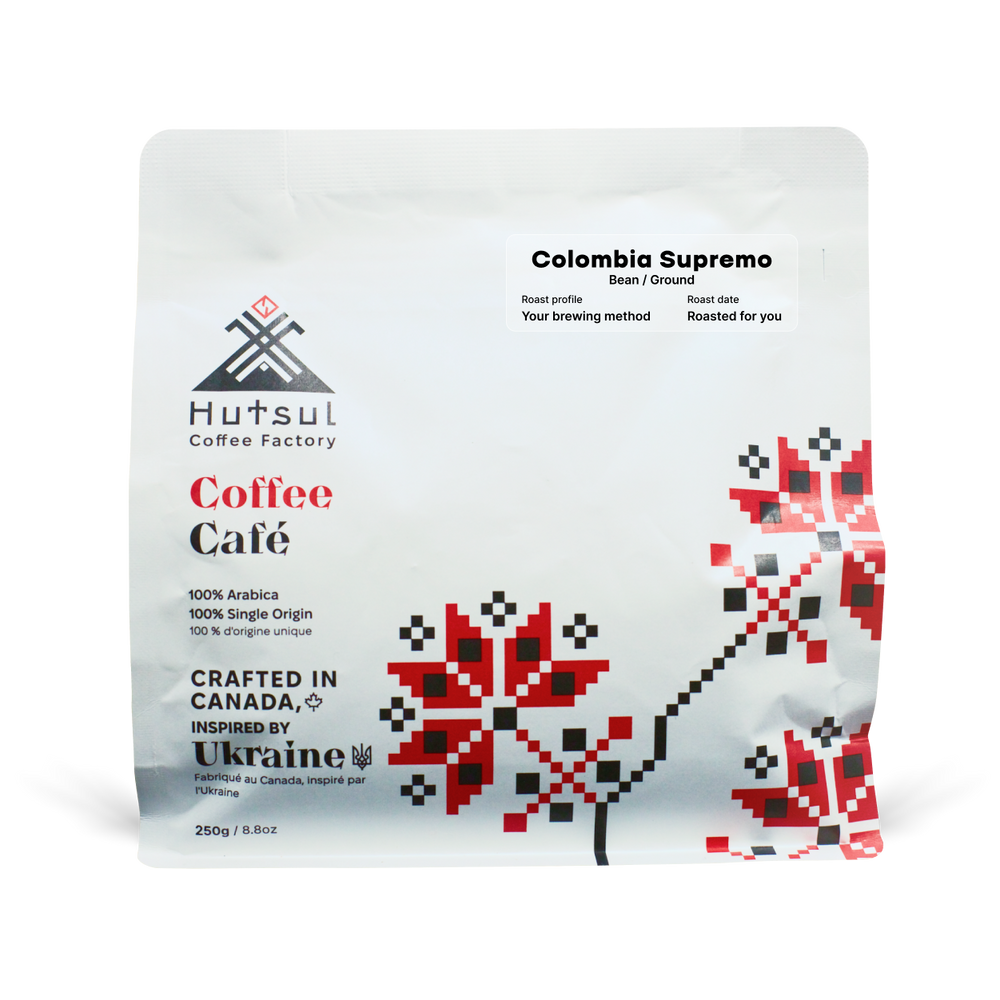
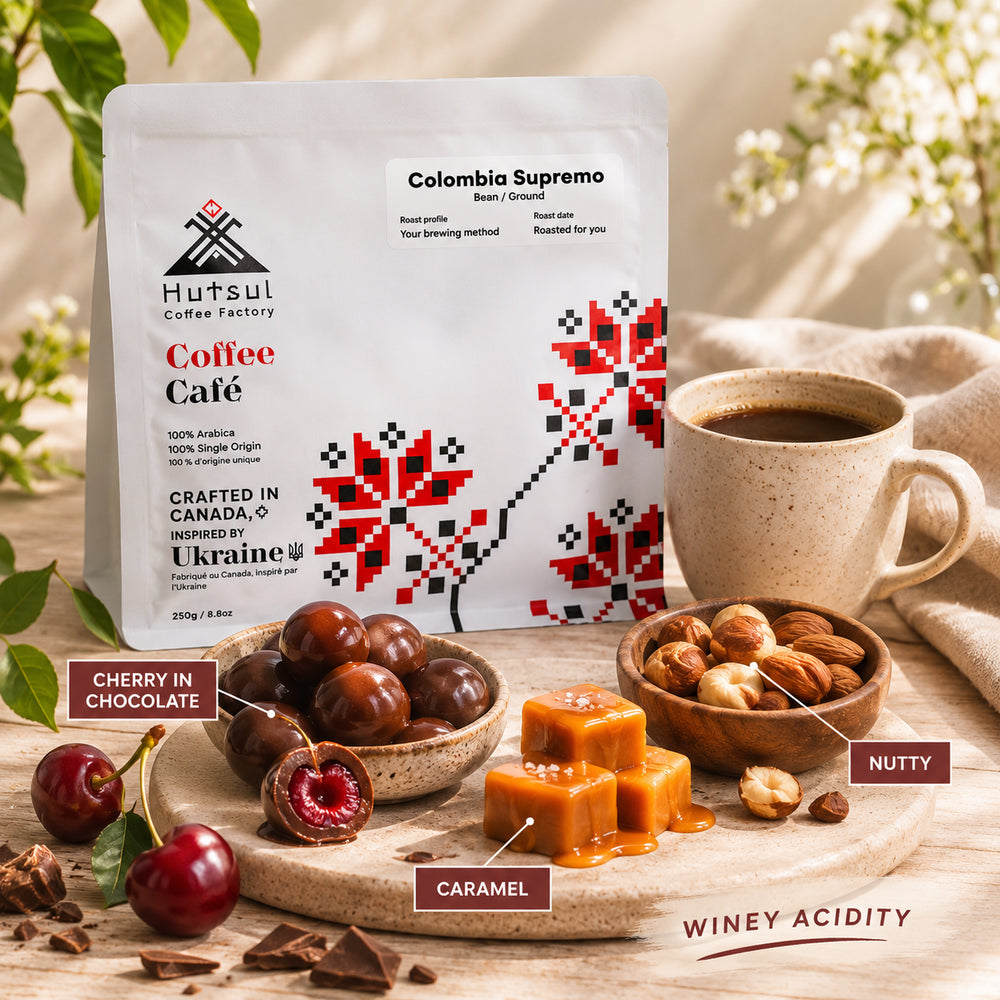 Colombia Supremo
Cherry in chocolate, caramel, nutty, winey acidity
Acidity: ■■■□□
Aroma: ■■■■□
Strength: ■■■■□
Bitter: ■■□□□
Regular price From $18.00 USDSale price From $18.00 USD Regular price$61.00 -
Save
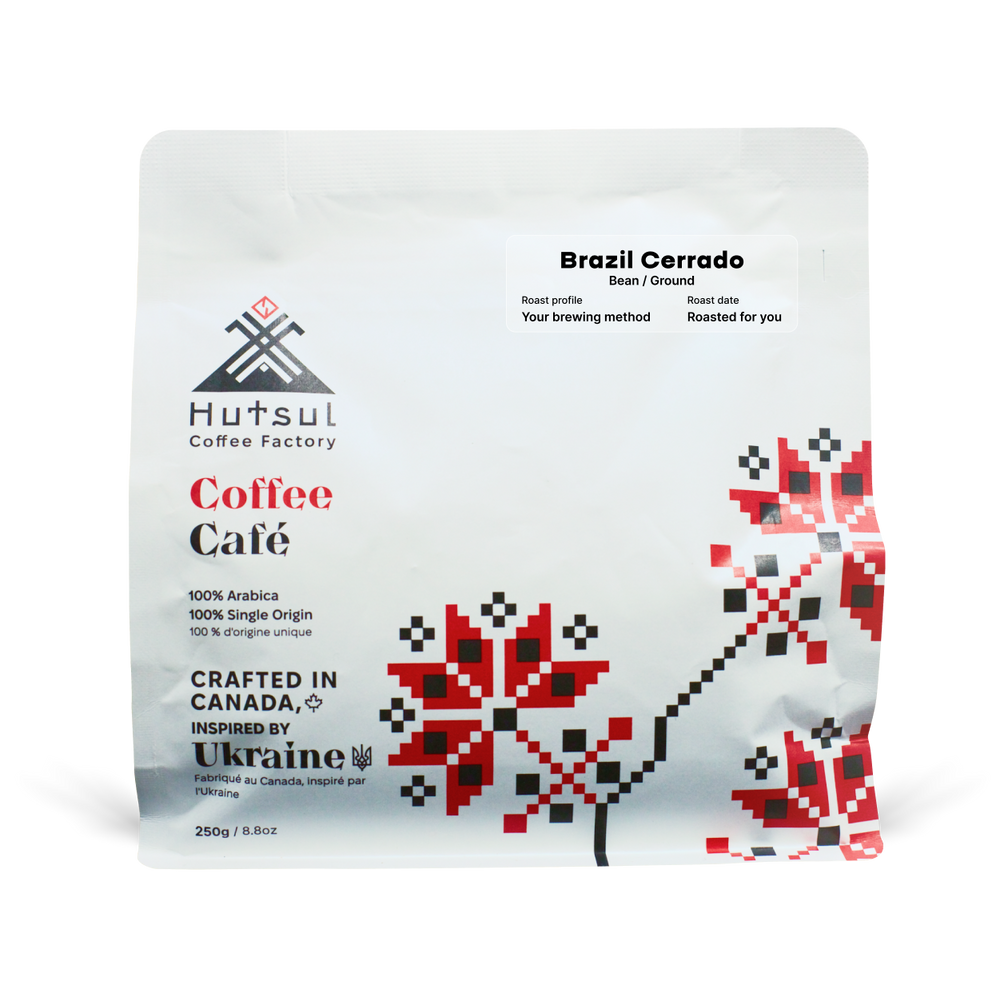
 Brazil Cerrado
Nuts, milk chocolate, sweet caramel, smooth
Acidity: ■□□□□
Aroma: ■■■□□
Strength: ■■■□□
Bitter: ■■■□□
Regular price From $17.00 USDSale price From $17.00 USD Regular price$66.00 -
Save New

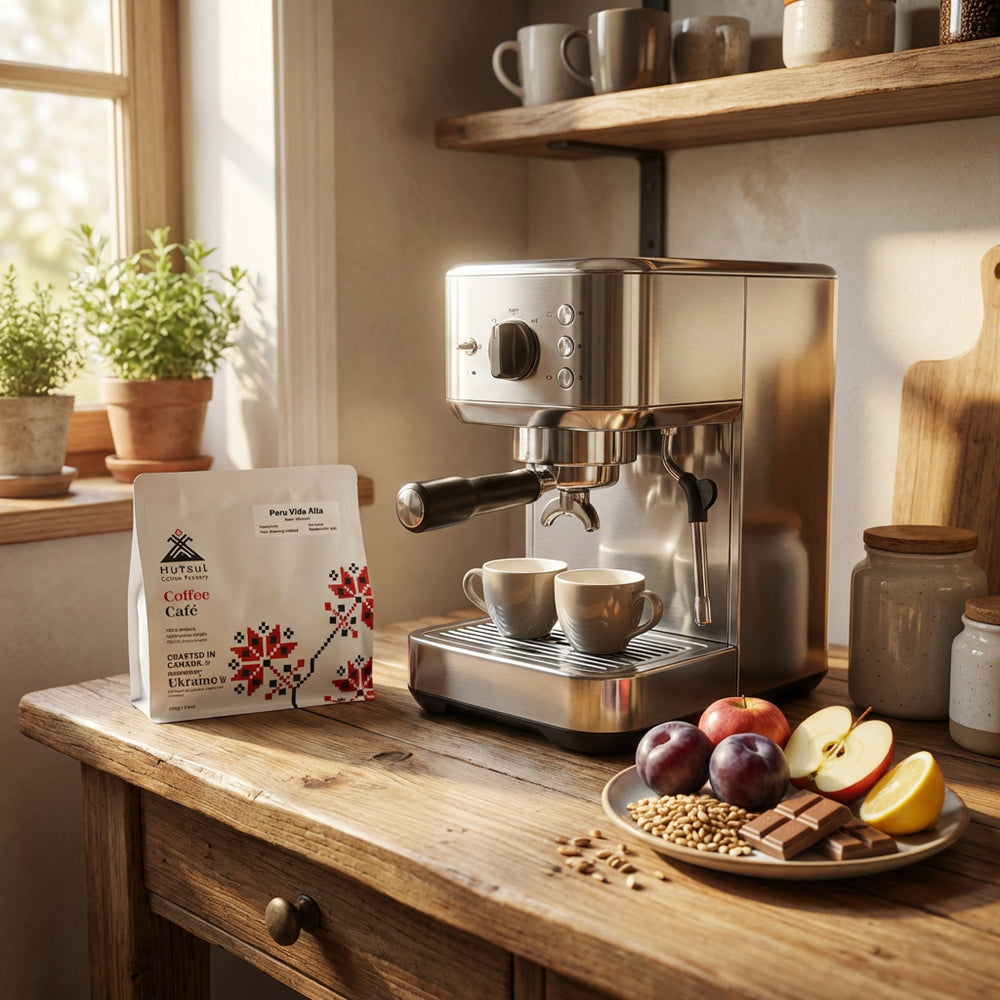 Peru Vida Alta
Plum, apple, malt, milk chocolate, tangy, clean
Acidity: ■□□□□
Aroma: ■■■□□
Strength: ■■■■□
Bitter: ■■■■□
Regular price From $17.00 USDSale price From $17.00 USD Regular price$66.00


