
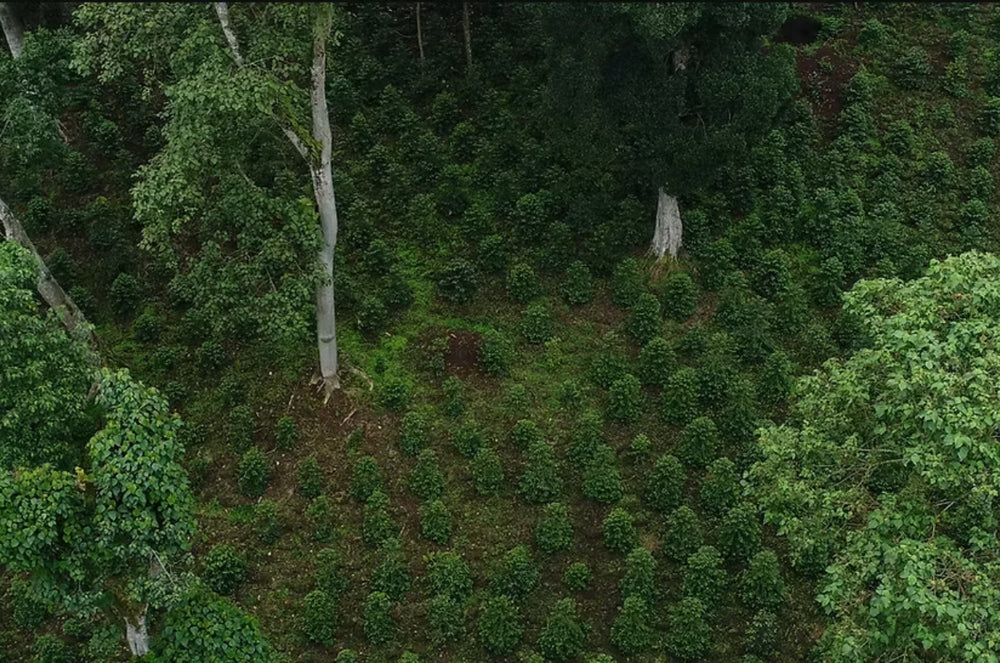
The birthplace of coffee
Every cup of Arabica in the world can trace its family tree back to the forests of southwestern Ethiopia. Coffee still grows wild there, under tall trees in the old Kingdom of Kaffa. The best-known story is about Kaldi, a goat herder who noticed his goats dancing after nibbling red berries from a shrub. It is a legend, but the forests are real, and so is the variety: Ethiopia holds thousands of native coffee types, which growers simply call "heirloom".
Today Ethiopia is the largest coffee producer in Africa and one of the five largest in the world. Unlike most producing countries, it also drinks a lot of its own coffee: about half of the harvest stays at home. Coffee here is a social ritual. In the traditional coffee ceremony (buna), green beans are roasted in a pan over charcoal, ground by hand, brewed in a clay pot called a jebena and poured in three rounds for family and neighbours.
Most Ethiopian coffee is grown by smallholders on plots of one or two hectares, often as "garden coffee" planted between false banana (enset), fruit trees and vegetables. Families pick the ripe cherries by hand and deliver them to nearby washing stations, where the coffee from many small farms is processed together.
The main growing regions each have their own character: Sidama, Yirgacheffe and Guji in the south; Harrar in the east; Limu, Jimma and Lekempti (Wollega) in the west. Coffee grows high here, often between 1,800 and 2,300 metres, and is harvested from about October to January.
We currently roast two Ethiopian coffees: Ethiopia Yergacheffe, a washed coffee produced by the Daye Bensa family company, and Ethiopia LeKempti, a natural coffee from the Wollega highlands in the west.

How Ethiopian coffee is processed
Ethiopia uses two main methods, and each gives a very different cup.
Washed: the fruit is removed from the bean on the same day it is picked, then the beans ferment in water and are washed clean before drying. This gives a bright, clean and tea-like coffee. Yirgacheffe is famous around the world for this style.
Natural: the whole cherry is dried in the sun with the fruit still on, for two to four weeks, and turned by hand many times a day. The bean soaks up sweetness from the fruit, so naturals taste jammy and berry-like. Harrar and the western regions such as Lekempti are known for naturals.
In both cases, coffee usually dries on raised "African beds": mesh tables that let air flow under the beans so they dry evenly. Ethiopian coffee is then graded by how few defects it has, from Grade 1 (the cleanest) downward. Our Yergacheffe is a Grade 2 washed lot.

What Ethiopian coffee tastes like
Ethiopian coffee is the one that surprises people who think coffee only tastes "like coffee". Washed coffees are light and elegant, with flowers (jasmine, bergamot), lemon, honey and black tea. Naturals are rounder and sweeter, with berries, stone fruit, dried fruit and a gentle winey finish.
To taste these flavours at their best, try a pour-over, AeroPress or drip brewer. Ethiopian coffee also makes a lively, fruity espresso, and it is lovely iced in summer.
Our Ethiopia Yergacheffe brings honey, lemon, citrus, black tea, floral notes and stone fruit. Ethiopia LeKempti is the sweeter natural side of the country, with almonds, caramel, lime, berries and dried fruit.

Explore recommended coffee
View all-
Save
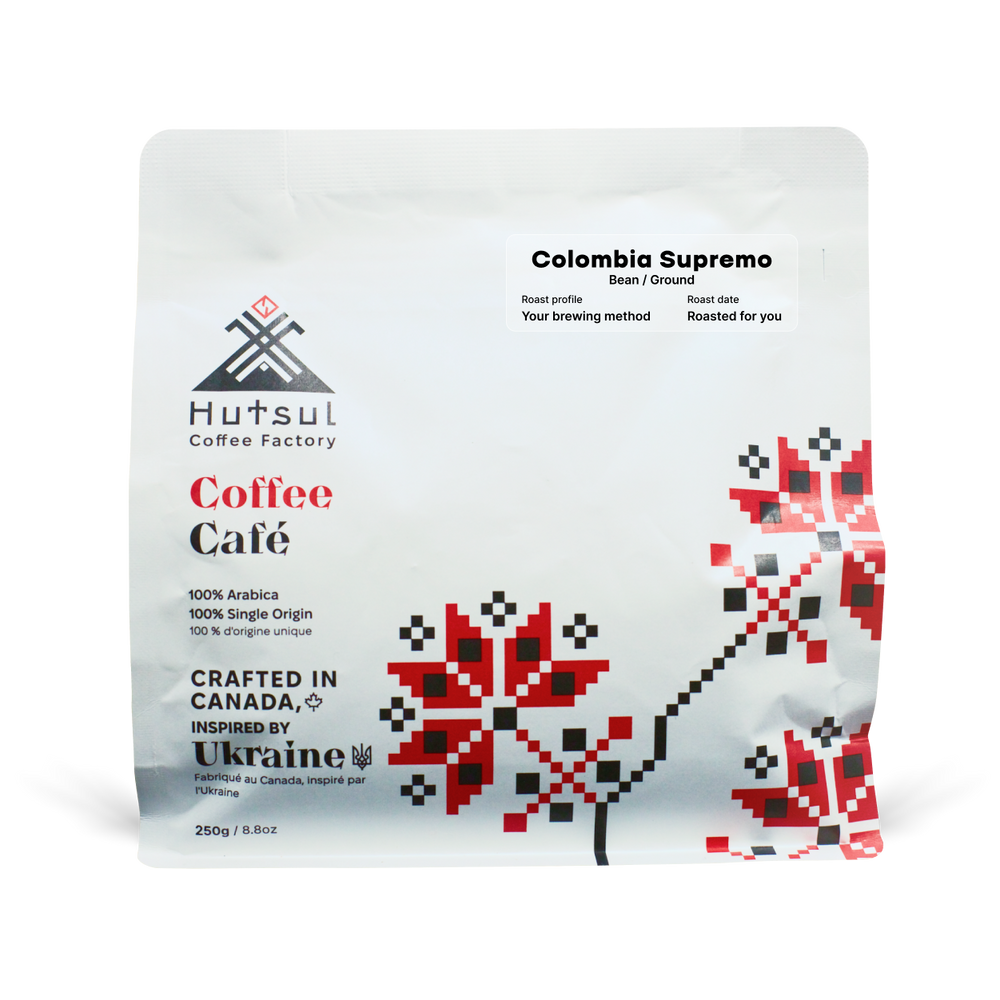
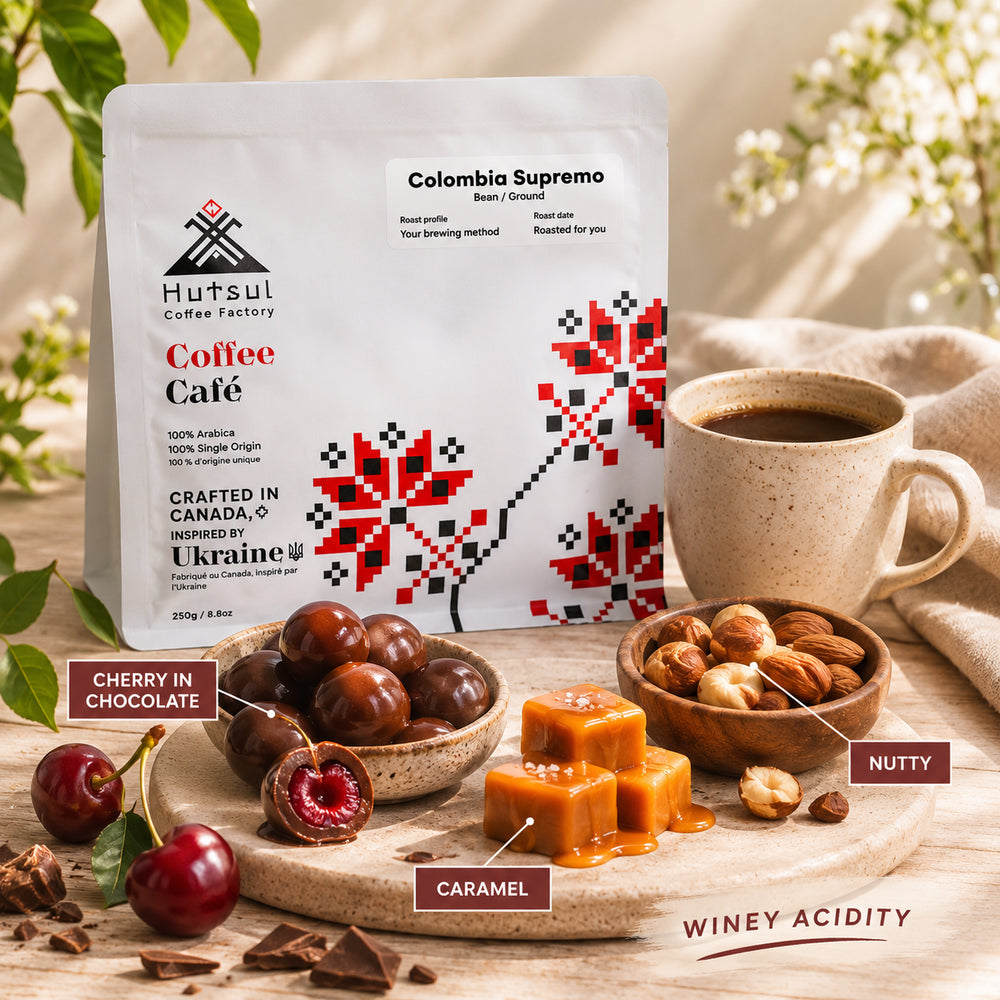 Colombia Supremo
Cherry in chocolate, caramel, nutty, winey acidity
Acidity: ■■■□□
Aroma: ■■■■□
Strength: ■■■■□
Bitter: ■■□□□
Regular price From $18.00 USDSale price From $18.00 USD Regular price$61.00 -
Save
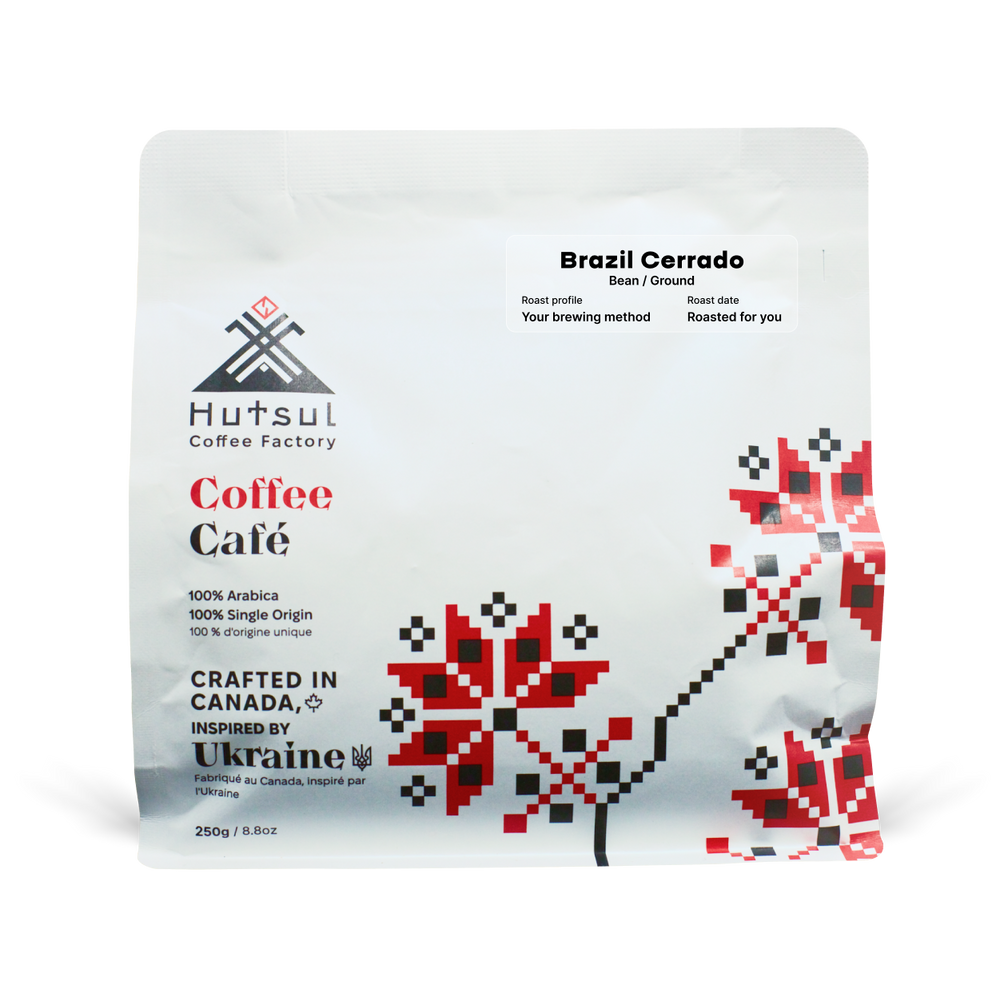
 Brazil Cerrado
Nuts, milk chocolate, sweet caramel, smooth
Acidity: ■□□□□
Aroma: ■■■□□
Strength: ■■■□□
Bitter: ■■■□□
Regular price From $17.00 USDSale price From $17.00 USD Regular price$66.00 -
Save New

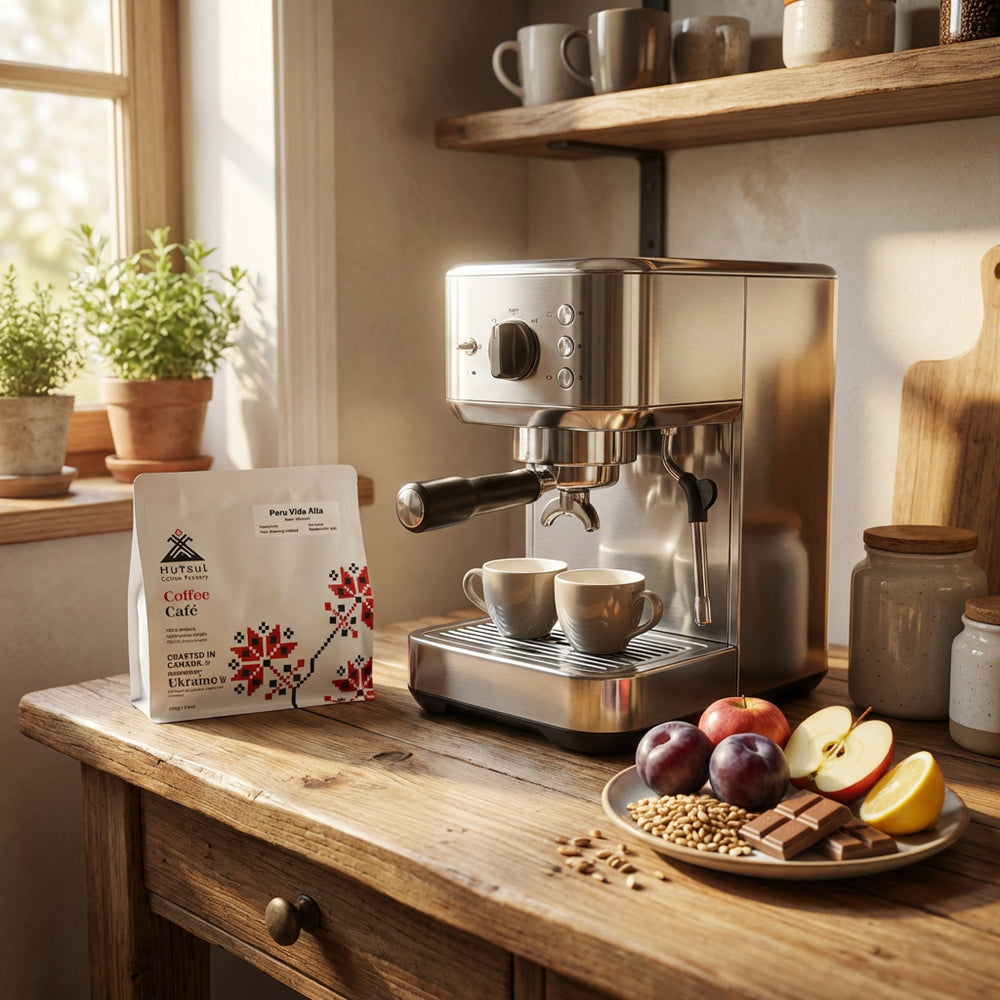 Peru Vida Alta
Plum, apple, malt, milk chocolate, tangy, clean
Acidity: ■□□□□
Aroma: ■■■□□
Strength: ■■■■□
Bitter: ■■■■□
Regular price From $17.00 USDSale price From $17.00 USD Regular price$66.00


